

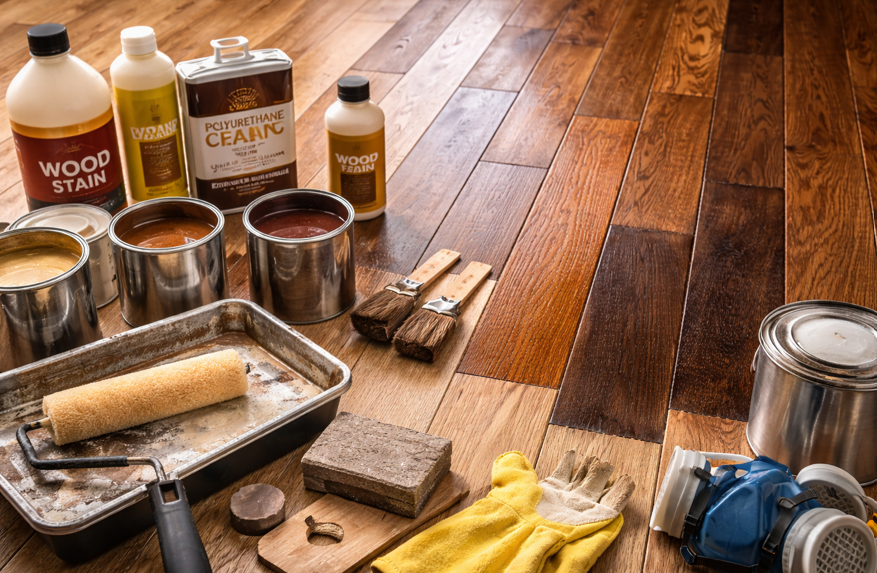
Why Hardwood Refinishing Is More Than Just a Visual Upgrade
Hardwood floors naturally bring warmth, character, and timeless style into a home. Over time, though, even the most durable and well-crafted floors start to show signs of wear—light scratches, fading, or areas that no longer reflect light the same way they once did.
That’s where hardwood refinishing comes in. But refinishing isn’t just about making a floor look new again. It’s a detailed process that restores both the appearance and the performance of the wood. Every step—from sanding to sealing—plays a role in how the floor looks, feels, and holds up over time.
In Tulsa homes, where humidity and seasonal changes can affect wood movement, refinishing becomes even more important. It helps protect the floor while enhancing its natural beauty.
At Brücke Flooring, refinishing is treated as a craft. It’s about understanding how wood behaves, how finishes interact with it, and how to achieve a result that feels polished, natural, and long-lasting.
This guide breaks down the science behind hardwood refinishing in a clear, practical way. You’ll learn how stains, sealants, and finishes work together—and why each step matters for your home.
How Hardwood Floors Change Over Time
Hardwood is a natural material, and it responds to its environment. That’s part of what gives it character—but it also explains why refinishing becomes necessary.
Daily wear and surface changes
Foot traffic, furniture movement, and everyday use gradually affect the floor’s surface. Over time, the protective finish can wear down, leaving the wood more exposed.
Sunlight and color shifts
Natural light can change the color of wood. Some areas may fade while others remain darker, especially in rooms with large windows or uneven exposure.
Humidity and seasonal movement
Tulsa’s climate brings fluctuations in humidity. Wood expands and contracts slightly as moisture levels change, which can affect how the surface looks and feels.
When refinishing becomes the right step
If your floors look dull, uneven, or worn in certain areas, refinishing helps restore a consistent, refreshed appearance while protecting the wood beneath.
What Happens During Hardwood Refinishing
Refinishing follows a structured process, each step building on the one before it.
Sanding the surface
The process begins by sanding away the existing finish and a thin layer of wood. This removes scratches, stains, and imperfections, creating a clean, even surface.
Preparing the wood
Once sanded, the floor is carefully cleaned to remove dust and debris. This step is essential because any leftover particles can affect how stains and finishes adhere.
Applying stain (if desired)
Staining changes the color of the wood while still allowing the natural grain to show through. This is where homeowners can customize the look of their floors.
Sealing and finishing
The final steps involve applying sealants and finishes that protect the wood and enhance its appearance. These layers are what give the floor its final look and durability.
Each part of this process contributes to a smooth, polished result that lasts.
Understanding Wood Grain and Why It Matters
Wood grain plays a key role in how a floor absorbs stain and reflects light.
Open vs. closed grain
Different wood species have different grain structures. Open-grain woods absorb stain more deeply, while closed-grain woods create a more uniform appearance.
How grain affects color
The natural patterns in the wood influence how stain appears. Even with the same stain, two sections of flooring may look slightly different depending on the grain.
Why preparation is important
Proper sanding ensures the surface is even, allowing stain and finish to interact with the wood consistently.
Understanding grain helps explain why refinishing results can feel rich and dimensional, rather than flat.
The Role of Stains: Color, Depth, and Style
Stain is what gives hardwood floors their color personality.
What stain actually does
Stain penetrates the wood’s surface, adding color while highlighting the natural grain. It doesn’t sit on top like paint—it becomes part of the wood.
Choosing the right tone
Homeowners can choose from light, medium, or dark tones depending on the style they want. Lighter stains create an airy feel, while darker tones add depth and contrast.
Modern trends in Tulsa homes
Many Tulsa homeowners are choosing natural or matte tones that feel timeless and versatile. These finishes work well with both traditional and modern interiors.
Why stain application matters
Even application ensures consistent color. Skilled application techniques help avoid blotchy or uneven results.
Stain is where design meets craftsmanship, creating a customized look for each home.
Sealants: The Foundation of Protection
Sealants play a crucial role in protecting hardwood floors.
What a sealant does
A sealant forms a base layer that helps protect the wood and prepare it for the final finish. It also enhances how the finish adheres.
Moisture resistance
Sealants help reduce the impact of moisture, which is especially important in Tulsa’s climate.
Enhancing color and clarity
A good sealant can deepen the appearance of the stain and create a more defined look.
Why this layer matters
Without a proper sealant, the finish may not perform as well or last as long.
This step builds the foundation for durability and longevity.
Finishes: The Final Layer That Defines Performance
The finish is what you see and feel every day.
Types of finishes
There are several options, including matte, satin, semi-gloss, and high-gloss. Each creates a different visual effect.
Durability and wear resistance
Modern finishes are designed to handle daily use while maintaining their appearance.
Texture and feel
The finish affects how the floor feels underfoot. Some finishes create a smooth surface, while others offer a more natural texture.
Long-term maintenance
The right finish makes cleaning easier and helps maintain the floor’s appearance over time.
This final layer brings everything together, delivering a refined and long-lasting surface.
How Tulsa’s Climate Influences Refinishing Choices
Local conditions play a role in how refinishing should be approached.
Managing humidity levels
Maintaining consistent indoor humidity helps protect the wood after refinishing.
Seasonal considerations
Timing refinishing projects during stable weather conditions can support better results.
Choosing the right products
Certain sealants and finishes perform better in environments with changing moisture levels.
These considerations help ensure the refinishing process delivers reliable, long-term results.
Common Misunderstandings About Hardwood Refinishing
Many homeowners have questions about what refinishing can and cannot do.
“Refinishing is only cosmetic”
In reality, refinishing also protects the wood and extends its lifespan.
“All finishes look the same”
Different finishes create distinct visual and performance outcomes.
“Once refinished, floors don’t need maintenance”
Regular care still plays a role in preserving the floor’s condition.
“Darker stains hide everything”
While darker tones can reduce the appearance of some marks, they may also highlight dust or scratches differently.
Clearing up these misconceptions helps homeowners make informed, confident decisions.
Why Professional Refinishing Makes a Difference
Refinishing hardwood floors involves more than applying products—it requires experience and precision.
Consistent results
Professional techniques ensure even sanding, balanced stain application, and smooth finishes.
Attention to detail
Every step is carefully managed to achieve a cohesive result.
Long-term performance
A properly refinished floor lasts longer and maintains its appearance better over time.
If you’re considering restoring your floors, working with experts in hardwood floor refinishing helps ensure the final result reflects both quality and craftsmanship.
Bringing New Life to Your Hardwood Floors
Hardwood refinishing is where science and craftsmanship come together. From understanding how wood absorbs stain to choosing the right finish, every detail contributes to the final result.
The process transforms worn floors into surfaces that feel refreshed, polished, and ready for everyday living. It enhances both the look and the performance of the wood, making it a valuable investment for any home.
With the right approach, refinishing doesn’t just restore your floors—it elevates your entire space.
If you’re ready to explore what refinishing could do for your home, you can always reach out to us for guidance tailored to your space.


