

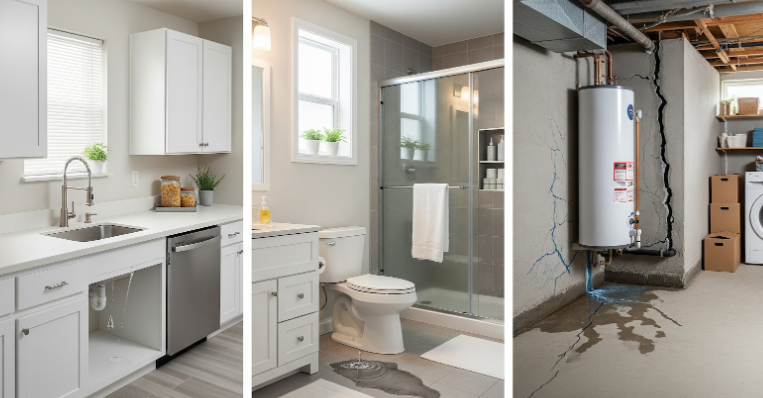
Why Water Damage Is a Bigger Risk Than Most Tulsa Homeowners Realize
It usually starts small.
A slow drip under the kitchen sink. A dishwasher hose that loosens over time. Heavy spring rain pooling near the foundation. Nothing dramatic. Nothing urgent. Until it is.
In Tulsa, seasonal storms and shifting humidity levels create the perfect conditions for hidden moisture problems. What looks like a minor issue on the surface can quietly spread beneath your flooring, into the subfloor, and even into structural framing. By the time boards begin to warp or tile loosens, the damage has often been developing for weeks.
That’s why local expertise matters. At Brücke Flooring Co., protecting homes isn’t limited to installing beautiful floors. It’s about helping homeowners understand how moisture behaves in Oklahoma homes and how to prevent small issues from turning into major repairs.
Water damage doesn’t only threaten hardwood. It can impact laminate, luxury vinyl, tile underlayment, and even concrete slabs. Kitchens, bathrooms, and basements are the most vulnerable areas — each for different reasons. Knowing what to watch for in each space gives you a serious advantage.
This guide walks through practical, room-by-room strategies to help Tulsa homeowners prevent water damage before it disrupts daily life. From under-sink inspections to basement drainage checks, you’ll learn what really makes a difference.
Prevention isn’t complicated. It’s about awareness, smart habits, and acting early.
How Water Damage Impacts Flooring Beneath the Surface
Water doesn’t stay where you see it.
When moisture reaches flooring, it rarely stops at the top layer. It seeps into seams, travels along subfloors, and settles into underlayment. Even materials marketed as waterproof can suffer when water penetrates edges or sits for extended periods.
Here’s what often happens beneath the surface:
Hardwood absorbs moisture and begins to expand.
Laminate boards can swell along edges.
Adhesives weaken, leading to loose planks or tiles.
Subfloors soften and lose structural stability.
Mold can begin developing in dark, damp spaces.
Early warning signs aren’t always obvious. You might notice:
Slight cupping or warping
Soft or spongy spots
A persistent musty odor
Subtle discoloration
Gaps forming between boards
Homeowners sometimes assume surface drying solves the issue. Unfortunately, trapped moisture underneath can continue spreading even after the top looks dry.
This is where awareness makes a difference. Early detection saves long-term repair costs and protects both your flooring investment and your home’s structure.
Water damage doesn’t need to be dramatic to be serious. The key is understanding how moisture behaves and responding before minor symptoms grow into structural concerns.
Now let’s look at where problems most commonly begin.
Kitchen Water Damage Prevention – Where Most Problems Begin
Kitchens combine water lines, appliances, daily spills, and heat-driven humidity. It’s no surprise they’re one of the highest-risk rooms in any Tulsa home.
The good news? Most kitchen water damage is preventable with consistent, practical habits.
Under the Sink and Plumbing Lines
That cabinet under the sink is easy to ignore. Yet it’s one of the most common starting points for moisture issues.
Check supply lines and drain pipes every few months. Look for:
Corrosion
Loose connections
Damp cabinet walls
Warped cabinet flooring
Even a slow drip can gradually saturate subflooring. Installing a simple moisture alarm inside the cabinet provides early detection. If you ever see water stains or feel softness beneath the cabinet, it’s time to investigate further.
Dishwashers and Refrigerators
Appliance hoses wear out over time. Rubber supply lines can crack or loosen, especially in older homes.
Inspect connections annually. Replace aging hoses proactively rather than waiting for failure. Stainless braided lines often provide more durability and peace of mind.
Pull appliances slightly forward when possible and look for hidden moisture. A dry floor today doesn’t guarantee a dry subfloor underneath.
If you suspect deeper moisture beneath the surface, professional evaluation and proper water damage restoration can prevent widespread structural issues.
Everyday Spills and Humidity
Daily kitchen life involves water — mopping, cooking steam, sink splashes, and ice maker drips.
A few smart habits make a major difference:
Wipe spills immediately.
Avoid excessive water during mopping.
Use exhaust fans while cooking.
Maintain consistent indoor humidity levels.
Moisture left along seams or baseboards can gradually seep inward. Prompt drying protects seams and extends the life of even the most durable flooring.
Small, consistent attention in the kitchen protects one of the most heavily used spaces in your home.
Bathroom Water Damage Prevention – Small Leaks, Big Consequences
Bathrooms are designed for moisture. But constant exposure means even minor leaks can escalate quickly.
Because water is always present, small changes often go unnoticed until damage becomes visible.
Around Toilets and Wax Rings
A failing toilet seal can allow water to seep beneath the flooring without obvious pooling.
Watch for:
Slight rocking of the toilet
Discoloration around the base
Softness in surrounding flooring
If the floor feels unstable or you notice recurring dampness, the seal may need replacement. Addressing this early protects both flooring and subfloor.
Showers, Tubs, and Grout Lines
Grout and caulk don’t last forever. Over time, cracks develop and allow moisture to travel behind walls or under tile.
Inspect grout lines regularly. Reapply caulk where gaps appear. Keeping these seals intact reduces hidden moisture migration.
Even tiled floors can experience subfloor issues if water consistently penetrates seams.
Ventilation and Humidity Control
Steam buildup contributes to long-term moisture exposure. Bathrooms without effective exhaust fans trap humidity, which eventually settles into flooring and framing.
Run exhaust fans during showers and for several minutes afterward. If your bathroom feels damp long after use, consider upgrading ventilation.
Proper ventilation extends floor life and protects paint, cabinetry, and drywall as well.
Bathrooms demand ongoing attention. Small adjustments and regular inspections dramatically reduce risk.
Basement Water Damage Prevention – Tulsa Storms and Foundation Risks
Basements face different challenges. Instead of plumbing leaks, they battle groundwater, storm runoff, and foundation seepage.
Tulsa’s heavy rainstorms can overwhelm drainage systems, especially during spring and early summer.
Foundation Cracks and Seepage
Hairline cracks in foundation walls may not seem serious. Yet during heavy rainfall, water pressure can push moisture inward.
Inspect basement walls periodically. Look for:
Damp spots
Efflorescence (white powdery residue)
Peeling paint
Musty odors
Sealing visible cracks and improving exterior grading can help redirect water away from the home.
Sump Pumps and Drainage Systems
If your basement relies on a sump pump, regular testing is essential.
Pour water into the sump pit to ensure activation. Clean debris and confirm discharge lines remain clear.
A functioning sump pump provides critical protection during severe storms.
Choosing Water-Resistant Flooring for Basements
Basements benefit from water-resistant flooring solutions designed to handle occasional moisture fluctuations.
Luxury vinyl, certain engineered products, and sealed concrete options offer durability in lower-level spaces. Selecting materials designed for basement conditions adds another layer of protection.
While no floor is immune to standing water, choosing the right materials significantly reduces long-term risk.
Basements require a proactive mindset. Storm preparedness and material selection go hand in hand.
Preventative Habits Every Tulsa Homeowner Can Adopt Today
Preventing water damage doesn’t require major renovations. It starts with consistent habits.
Here’s a practical checklist:
Inspect under sinks every few months.
Replace appliance hoses every 5–7 years.
Monitor indoor humidity, especially during humid seasons.
Dry spills immediately.
Run exhaust fans during cooking and showers.
Test sump pumps before storm season.
Check basement walls after heavy rain.
Schedule periodic professional flooring inspections.
Staying ahead of potential issues protects both your flooring investment and your home’s structural integrity.
Consistency matters more than complexity. A few minutes of inspection every season can prevent weeks of repairs later.
Tulsa weather patterns aren’t changing anytime soon. Preparing your home to handle moisture ensures your flooring remains beautiful, durable, and reliable year after year.
When to Call a Professional
Some signs indicate it’s time for expert evaluation:
Persistent musty odors
Visible buckling or cupping
Soft spots that don’t improve
Recurring moisture in the same area
Suspected mold growth
Moisture trapped beneath flooring often requires specialized drying equipment and controlled restoration methods. Professional assessment protects both your home and your long-term investment.
If you notice warning signs or want reassurance after a heavy storm, it’s wise to reach out to us. Early evaluation prevents minor concerns from turning into costly structural repairs.
Protecting your home isn’t about panic. It’s about acting confidently when something feels off.
Protect Your Home Before the Next Storm Hits
Water damage prevention comes down to awareness and preparation.
In kitchens, focus on plumbing lines and appliances.
In bathrooms, maintain seals and ventilation.
In basements, monitor drainage and foundation integrity.
Each room presents unique risks, yet the strategy remains the same: inspect, maintain, and respond early.
Flooring transforms a house into a warm, welcoming space. Protecting it preserves both beauty and functionality. With thoughtful habits and timely professional support, Tulsa homeowners can stay ahead of moisture challenges year-round.
Prevention is practical. Preparation is powerful. And a protected home brings peace of mind no matter what the weather brings.


