

Why Water Damage Needs Immediate Attention in Tulsa Homes
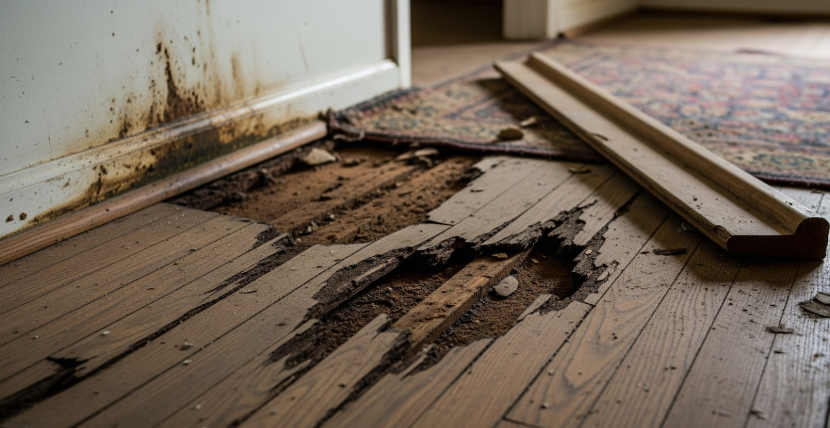
Water damage in a home rarely looks dramatic at first. A small spill, a slow leak under the sink, or moisture creeping in around doorways might seem like minor issues — until they begin affecting the flooring beneath. Tulsa homeowners deal with sudden storms, humid summers, and plumbing surprises, all of which make water damage more common than many expect. But the real trouble isn’t always the visible mess; it’s what happens when those early warning signs are ignored.
Moisture that slips beneath the surface can weaken flooring materials, damage subfloors, trigger mould growth, and even affect indoor air quality. Many homeowners put off repairs because the damage doesn’t feel urgent, or the signs look harmless at first. Unfortunately, hidden water damage has a way of escalating quietly and becoming far more expensive to fix later.
At Brücke Flooring Co., we’ve seen how quickly small issues can turn into major flooring failures. This guide breaks down the true costs of ignoring water damage — not just the financial ones, but the impact on your home’s structure, safety, and value.
The Financial Risks of Delayed Water Damage Repairs
Leaving water damage unaddressed can quickly become far more expensive than tackling the issue early. What begins as a small cosmetic problem often spreads underneath the floorboards, where the damage becomes more complex.
Increased Repair Costs Over Time
Replacing a few planks is one thing; replacing an entire room’s flooring is another. When moisture spreads along the subfloor or into adjacent rooms, the repair scope expands dramatically. What would’ve been a simple fix becomes a full replacement.
Subfloor Repairs Add Significant Cost
Subfloors are especially vulnerable to water. Once moisture reaches them, you may face swelling, soft spots, or structural weakness. Subfloor repairs often cost more than the flooring itself — and they require additional labour to remove and reinstall surrounding materials.
Unexpected Material Replacement
Water doesn’t spread evenly. You may have to replace more flooring planks than you initially expected, along with trim, underlayment, vapour barriers, and transition pieces.
Appliances and Fixtures May Need Removal
If water damage occurs in kitchens, bathrooms, or laundry rooms, appliances or cabinets may need to be temporarily removed. This adds both time and labour to the project.
The longer water damage is left untreated, the more expensive and involved the repairs become.
How Water Damage Compromises Flooring Integrity
Water affects different flooring types in different ways, but the long-term consequences are similar: weakened structure, uneven surfaces, and flooring that simply doesn’t perform the way it should.
Hardwood Floors
Hardwood absorbs moisture quickly. Boards can cup, buckle, separate, or develop dark stains. The longer moisture sits, the more likely the wood fibres are to warp permanently — meaning refinishing alone will not fix the issue.
Laminate Floors
Laminate is not waterproof. Water causes swelling, bubbling, and lifting around the edges. Once the core material absorbs moisture, the boards cannot return to their original shape.
Luxury Vinyl Flooring
While vinyl is more moisture-resistant, water can still seep into the seams or underneath the planks. This traps moisture against the subfloor and can lead to mould growth or adhesive breakdown.
Tile Floors
Tile itself is water-resistant, but the subfloor beneath it is rarely waterproof. Cracked grout lines or loose tiles can allow moisture to travel downward unnoticed.
Once structural integrity is compromised, even high-quality flooring struggles to stay flat, tight, and safe underfoot.
Hidden Structural Damage Beneath Your Floors
Water damage doesn’t stop at the surface. If left untreated, moisture begins affecting the structure of your home.
Subfloor Rot and Weakening
Wooden subfloors can begin rotting or weakening as moisture sits. This creates soft spots, sagging, or bouncing sensations as you walk across the room.
Mould and Mildew Growth
Moisture creates the perfect environment for mould. Once it develops under flooring or behind walls, it spreads rapidly and can cause health concerns.
Damage to Framing or Joists
In severe cases, moisture spreads beyond the subfloor and reaches the underlying structure. Repairs at this level are expensive, invasive, and require professional reconstruction.
Increased HVAC Strain
Moisture trapped in floors increases indoor humidity, forcing heating and cooling systems to work harder. Over time, this increases energy bills and reduces HVAC efficiency.
These hidden issues often remain undetected until the damage becomes widespread.
The Impact on Indoor Air Quality and Health
Water damage doesn’t just harm your floors — it affects the air you breathe. Tulsa’s humid climate makes this especially important, as moisture lingers in the home longer than in drier regions.
Mould Spores Spread Quickly
Even a small patch of mould beneath flooring can release spores throughout your home. These affect indoor air quality and can worsen allergies, asthma, and respiratory issues.
Damp Odours Become Hard to Remove
Musty smells are an early sign of hidden moisture. If left alone, they spread from room to room and become harder to eliminate, even after the source is fixed.
Dust and Debris Build Up
When floors warp or break down, dust and wood fibres can spread into the air. Proper repairs eliminate these issues and help restore a healthy indoor environment.
Addressing water damage early prevents these health risks from developing or becoming long-term problems.
How Water Damage Affects Home Resale Value
Potential buyers notice flooring issues immediately, and water damage creates concern about underlying problems. Even if you plan to sell years down the road, ignored damage today can decrease your home’s appeal and price later.
Visible Damage Raises Red Flags
Warped boards, bubbling laminate, or stained hardwood signals possible deeper issues. Buyers often expect flooring to be in good shape and may negotiate aggressively if they see signs of damage.
Inspection Reports Catch Hidden Issues
Home inspectors use moisture meters and cameras to detect hidden problems. A clean inspection keeps your home competitive in Tulsa’s real estate market.
Repairs Become a Negotiation Point
Buyers may request expensive concessions if they suspect the home has moisture-related issues. Handling repairs before selling helps avoid last-minute surprises.
Keeping flooring damage under control helps maintain both your home’s visual appeal and market value.
Why DIY Fixes Often Make Water Damage Worse
Tulsa homeowners are resourceful, but water damage isn’t something DIY solutions can reliably fix. Most quick fixes only address the surface, leaving deeper problems untouched.
Surface Drying Isn’t Enough
Using fans or dehumidifiers may dry the surface, but hidden moisture remains trapped in the subfloor unless the damaged materials are removed.
Using the Wrong Cleaners Damages Wood
Water-damaged hardwood responds poorly to certain cleaners, oils, or waxes that homeowners sometimes use in hopes of restoring shine.
Mould Is Dangerous to Remove Without Proper Gear
Mould remediation requires professional containment and treatment. DIY attempts often spread spores into the air.
If you want to explore how a professional team handles restoration, you can read more about water damage restoration to understand the process.
Professional inspection remains the safest path when water damage is involved.
Early Warning Signs Tulsa Homeowners Should Watch For
Detecting moisture early is the best way to avoid heavy repair costs. Watch for these common signs:
Soft or Spongy Spots
If the floor gives slightly under your feet, moisture has likely reached the subfloor.
Discoloration
Dark patches, streaks, or fading often indicate deeper moisture infiltration.
Musty Odours
A stale, damp smell usually means mould is developing beneath the surface.
Buckling or Cupping
Boards lifting at the edges or forming ridges signal moisture problems.
Peeling Finish
Water breaks down sealing layers, causing the finish to bubble or peel away.
The sooner these issues are noticed, the less damage they can cause.
How Professional Water Damage Restoration Saves You Money
A professional restoration team doesn’t just repair the visible surface. They diagnose, correct, and prevent deeper issues that would grow worse with time.
Accurate Moisture Detection
Advanced moisture meters locate hidden problem areas so nothing is missed.
Proper Drying and Decontamination
Professionals use controlled drying systems and antimicrobial treatments to eliminate moisture and mould.
Targeted Repairs
Rather than replacing everything, experts replace only what’s necessary — saving money and preserving healthy areas.
Preventive Recommendations
Installers often suggest sealants, better vapour barriers, or improved drainage to prevent future issues.
Professionally handled restoration turns a potential long-term issue into a manageable repair.
What to Do If You Suspect Water Damage in Your Floors
If you think your floors may have water damage, a few simple steps help prevent the issue from getting worse:
Stop the source of moisture if possible
Avoid walking on soft or compromised areas
Increase ventilation and airflow
Document affected spots for future reference
Contact a flooring professional for an inspection
You don’t need to panic — but acting promptly protects your home and saves money in the long run.
If you want professional guidance, you can always reach out to us to schedule an inspection or consultation.


