

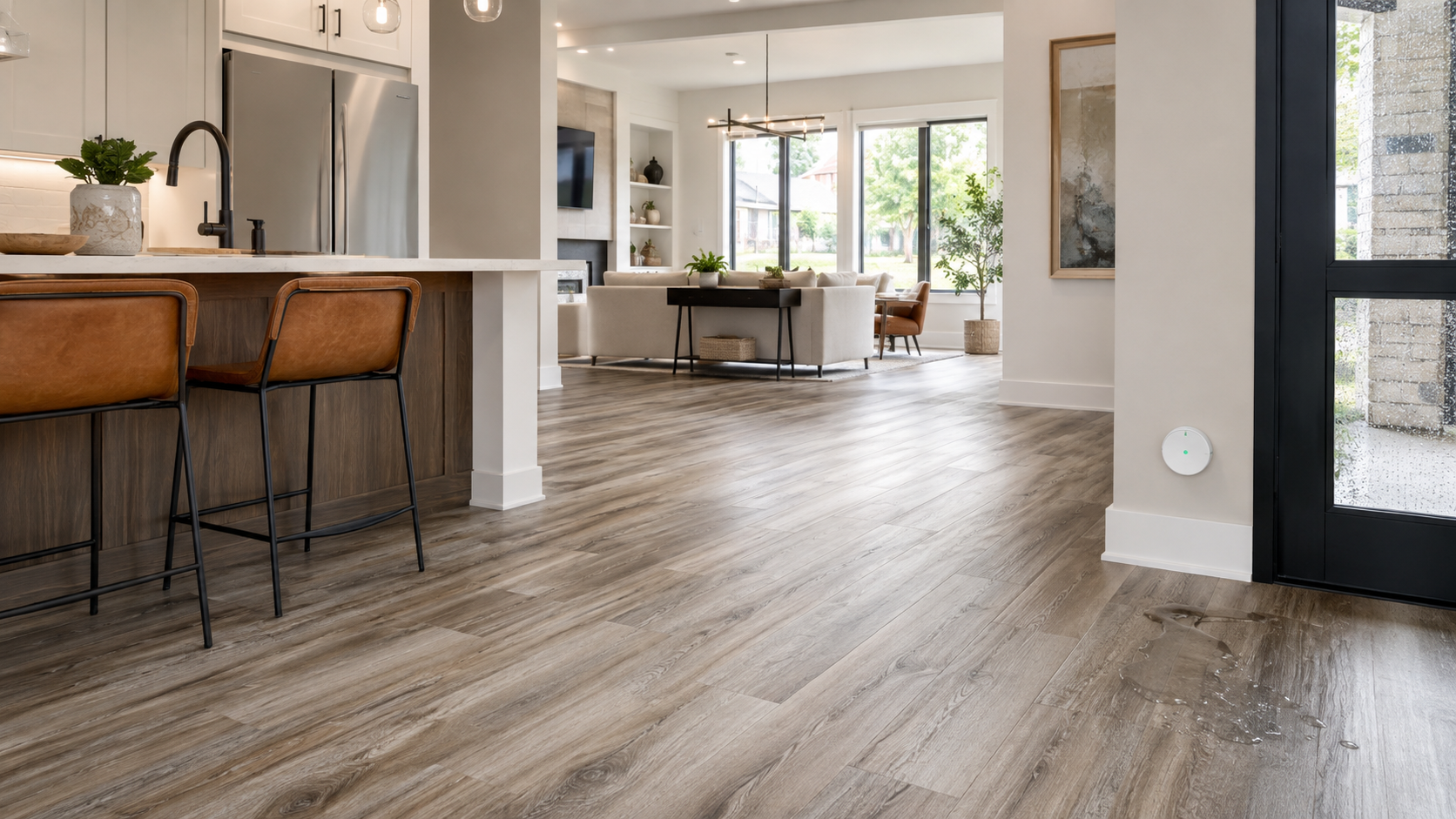
A leaking dishwasher, overflowing washing machine, plumbing leak, or strong Tulsa thunderstorm can expose a floor to far more water than an everyday spill. That is why choosing new flooring is about more than color, plank width, or how a sample looks in the light.
For Tulsa homeowners, future-proofing means choosing flooring that fits how each room is used and how likely it is to encounter moisture. No flooring can stop a plumbing failure or prevent stormwater from entering a home, but a smart plan can make everyday moisture easier to manage.
At Brücke Flooring, the goal is to help Tulsa homeowners make practical flooring decisions with clear guidance, quality materials, and professional installation. That matters because the strongest protection comes from the whole system: the flooring material, the subfloor, the installation method, and the homeowner’s response when water appears.
Tulsa’s weather makes that planning especially relevant. In June and July 2026, the National Weather Service issued flash flood and flood warnings affecting parts of Tulsa County after thunderstorms produced heavy rainfall, including flooding concerns in urban, low-lying, and poor-drainage areas.
Here is how to choose flooring with water resilience in mind without giving up the look and feel you want for your home.
Start With What “Water-Resilient” Really Means
The most useful question is not, “What floor is completely safe from water?” A better question is, “Which floor gives this room the right balance of moisture performance, durability, appearance, and maintenance?”
That distinction matters because flooring terms can sound more absolute than they really are.
Waterproof and Water-Resistant Are Not the Same
A product marketed as waterproof is generally designed so the flooring material itself can tolerate water exposure according to the manufacturer’s specifications. Water-resistant flooring is designed to resist moisture for a certain level of exposure or period of time.
Neither label automatically means the entire room is protected from water damage. Water may still move through perimeter gaps, transitions, wall edges, plumbing penetrations, or damaged areas and reach the subfloor or nearby building materials. Product warranties and installation instructions also vary by manufacturer, so the exact flooring specification matters more than a broad category label.
The U.S. Environmental Protection Agency recommends choosing suitable materials for areas that may get wet and, just as importantly, controlling the source of water and moisture.
Think About the Type of Water Exposure
Not every moisture event carries the same risk.
Everyday surface water includes spilled drinks, damp shoes, pet bowls, kitchen splashes, and a little water around a bathroom sink. These are usually manageable when they are cleaned promptly.
Appliance and plumbing leaks are different. A dishwasher, refrigerator water line, washing machine, toilet, sink, or pipe can release enough water to travel underneath a finished floor before anyone notices.
Storm-related water intrusion is another category. In Tulsa, intense thunderstorms can create localized flooding and drainage problems, so homes with vulnerable entry points, lower-level rooms, or a history of water intrusion deserve extra consideration.
Compare Smart Flooring Choices for Moisture-Prone Rooms
There is no single best floor for every Tulsa home. The right material depends on the room, style, and realistic level of water exposure.
Waterproof Flooring
Waterproof flooring is a natural place to start when moisture resistance is high on the priority list.
Depending on the product, it can work well in active households where spills, wet shoes, pets, or frequent cleaning are part of daily life. Many options also offer wood-inspired visuals with greater moisture resilience.
Waterproof flooring is especially worth considering in:
Kitchens
Laundry rooms
Mudrooms
Entryways
Other spaces where routine spills are likely
The key is to match the product to the room and follow its installation requirements. “Waterproof” does not mean flood-proof, and it does not make a wet subfloor harmless.
Luxury Vinyl
Luxury vinyl is popular because it can combine attractive design with practical day-to-day performance. Many products offer wood- or stone-inspired visuals while remaining relatively easy to clean.
For moisture-conscious households, selected luxury vinyl products may be a good fit for kitchens, laundry spaces, entryways, and other active rooms. The exact water-performance rating varies, so it is worth checking whether the particular collection is described as waterproof or water-resistant and what its warranty covers.
Luxury vinyl can be a strong option when homeowners want an attractive wood or stone look, straightforward cleaning, and durable performance in busy areas.
Tile
Tile remains one of the most practical surfaces for rooms where water is part of normal life. Bathrooms, kitchens, mudrooms, and laundry areas are common examples.
The tile itself, however, is only one part of the installation. Grout, setting materials, transitions, the subfloor, and any required waterproofing system all affect how the completed floor performs. A quality installation treats the floor as a complete assembly rather than assuming the visible tile alone provides all the protection.
That makes professional preparation particularly valuable in spaces where repeated moisture exposure is expected.
Natural Stone
Natural stone can create a distinctive, high-end look with excellent durability when the specific stone suits the room and is maintained correctly.
Stone types differ in moisture absorption, and some require sealing or specialized care. Ask about the exact material, its recommended application, and its maintenance needs before choosing it for a moisture-prone space.
Laminate
Laminate deserves a more nuanced look than it often gets. Modern laminate products can vary significantly in their water resistance, and some collections are designed to manage everyday spills more effectively than traditional laminate.
That does not mean every laminate floor performs the same way. Before choosing it for a kitchen, entryway, or other spill-prone area, consider:
The manufacturer’s water-resistance claims
The room where it will be installed
How quickly spills can be cleaned
Installation requirements
Warranty limitations
In relatively dry spaces, laminate can offer appealing design and practical durability. In higher-moisture areas, the specific product matters much more.
Hardwood
Hardwood remains a beautiful, long-lasting choice for many Tulsa homes, but wood naturally responds to changes in moisture. The National Wood Flooring Association notes that wood gains moisture and can swell in humid conditions, while drier conditions can cause it to lose moisture and shrink.
That does not make hardwood a poor choice. It means placement and installation deserve careful thought.
Living rooms, dining rooms, bedrooms, offices, and other lower-risk areas can be excellent places for hardwood. In rooms with repeated water exposure, homeowners may prefer a different material or seek professional guidance about the best hardwood product and installation approach for that space.
Choose Flooring Room by Room
A future-ready home does not need one flooring material everywhere. In fact, using different materials strategically can improve performance while still creating a cohesive design.
Kitchens
Kitchens combine water sources with heavy foot traffic. Sink splashes, dishwasher leaks, refrigerator water lines, pet bowls, and cooking spills can all reach the floor.
Waterproof flooring, selected luxury vinyl products, and tile can be practical choices here. The final decision can also take into account comfort underfoot, design continuity with nearby living spaces, and how much maintenance the household wants.
Bathrooms
Bathrooms experience repeated moisture from wet feet, tubs, showers, sinks, and plumbing fixtures.
Flooring in these spaces benefits from a material and installation system intended for regular moisture exposure. Tile and suitable waterproof flooring products are common options, but the surface is only part of the equation. Proper preparation around edges, fixtures, and the underlying floor remains important.
Laundry Rooms
A laundry room can look dry for years and then experience a significant leak from a washing machine connection or drain.
That makes this room a good candidate for flooring that is easy to clean and designed for moisture exposure. It is also worth thinking about what happens if water travels beneath an appliance where it may not be seen immediately.
Entryways and Mudrooms
Tulsa rain, wet shoes, muddy paws, umbrellas, and repeated cleaning all make entry areas work harder than many other parts of the home.
Durability and moisture resistance are especially useful here. Mats can catch much of the water coming indoors, but the flooring still benefits from being selected for frequent wear and occasional wet conditions.
Living Rooms and Bedrooms
In lower-risk rooms, homeowners can give more weight to warmth, visual character, comfort, and overall design.
Hardwood, laminate, luxury vinyl, and other options may all work well depending on the household. The key is not to over-engineer every room for a flood scenario that is unlikely while ignoring rooms where moisture exposure is routine.
Lower-Level Spaces
Basements and other lower-level spaces deserve individual evaluation. Previous water intrusion, drainage conditions, concrete moisture, subfloor construction, and the room’s history all influence the best flooring choice.
If a space has had water problems before, covering the floor with a new surface without identifying the cause can hide rather than solve the issue.
Water Protection Starts Below the Finished Floor
A beautiful floor can only perform as well as the surface beneath it allows.
Start With the Subfloor
Before new flooring is installed, the subfloor needs to be suitable for the material going on top. Existing moisture, damage, uneven areas, or other problems can affect the finished result.
After a leak, the EPA advises checking that underflooring is dry when hard-surface flooring has been affected by clean water.
If moisture has already affected the flooring or materials underneath it, professional water damage restoration can help determine what needs attention before new flooring is installed.
Moisture Conditions Matter
Wood and other moisture-sensitive materials respond to their surrounding environment. That is why moisture conditions, acclimation requirements, and manufacturer instructions matter during installation.
A professional installer can evaluate conditions for the selected product rather than relying on a one-size-fits-all number.
Use the Right Installation System
Underlayment, adhesives, moisture-control layers, setting materials, and installation methods vary by flooring type.
The correct system depends on the product, the subfloor, and the room. Following manufacturer requirements helps protect both performance and warranty coverage.
Pay Attention to the Edges
Water rarely respects the boundaries of a plank or tile.
Doorways, transitions, plumbing penetrations, perimeter edges, appliance areas, baseboards, and adjoining rooms can all influence how water moves through a space. Careful installation considers these details instead of focusing only on the center of the room.
Build Everyday Water Protection Into Your Routine
The flooring material is only one part of a water-resilient home. Simple habits matter too.
Clean Up Water Promptly
Even moisture-friendly flooring benefits from quick cleanup. Water can move through seams, edges, transitions, or damaged areas and reach materials underneath.
The EPA recommends fixing water or moisture problems promptly and drying wet materials as soon as possible, ideally within 24 to 48 hours.
Keep an Eye on Water-Using Appliances
Occasionally inspect the areas around:
Washing machines
Dishwashers
Refrigerators with water lines
Water heaters
Sinks
Toilets
A small leak that stays hidden can create more damage than a large spill that is noticed immediately.
Protect High-Exposure Entry Points
Use quality mats near exterior doors, remove wet footwear when practical, and wipe up tracked-in rainwater rather than letting it sit.
After severe weather, a quick look around exterior doors and known trouble spots can help catch moisture early.
Notice Changes in the Floor
Changes do not always mean water damage, but they deserve attention when they appear near plumbing, appliances, or areas with a history of moisture.
Watch for:
Planks changing shape
Unusual discoloration
Persistent dampness
Flooring movement
Unexplained odors
Changes around appliances or fixtures
Avoid trying to diagnose mold or structural damage from appearance alone. When the source or extent of moisture is unclear, professional evaluation is the safer route.
Fix the Source Before the Finish
If water is actively entering a room, the leak, plumbing problem, appliance failure, drainage issue, or exterior source needs attention before cosmetic flooring work becomes the priority.
The EPA’s moisture guidance follows the same basic principle: control the source of water first, then dry affected materials promptly.
Use This Checklist Before Choosing Your Next Floor
Before settling on a color or style, ask a few practical questions:
Which room is the flooring going into?
How often is water likely to reach this floor?
Are there nearby appliances or plumbing fixtures that could leak?
Has the space experienced water problems before?
What is beneath the finished flooring?
How quickly are everyday spills usually cleaned up?
Are children or pets likely to increase spill frequency?
How much routine maintenance does the household want?
What water-resistance claims does the exact product carry?
Are there special installation or warranty requirements?
Will adjoining rooms use a different flooring material?
How important are comfort, texture, natural appearance, and long-term durability?
What would happen if water reached the subfloor?
If Moisture Resilience Is the Priority
Start by comparing waterproof flooring, suitable luxury vinyl products, and tile. Look beyond the category name and review the specifications for the exact product.
If Natural Beauty Is the Priority
Hardwood and natural stone can deliver distinctive character and long-term appeal. Choose them in rooms where their moisture characteristics and maintenance needs fit the way the space is used.
If You Want a Balance of Style and Practicality
Modern laminate and luxury vinyl offer a wide range of looks, durability levels, and moisture-performance options. The best fit comes down to the individual product and room.
Create a Flooring Plan for the Way Your Tulsa Home Lives
Future-proofing does not mean turning every room into a waterproof zone. It means putting the right material in the right place, preparing the floor correctly, and knowing how to respond when moisture appears.
For Tulsa homeowners, that often means giving extra thought to kitchens, bathrooms, laundry rooms, entryways, and any space with a history of water intrusion. It also means recognizing that hardwood, laminate, luxury vinyl, tile, waterproof flooring, and natural stone each have a place when their characteristics match the room.
Brücke Flooring’s White Glove Treatment is built around the experience as much as the finished floor: clear communication, careful project coordination, attention to the home, and straightforward guidance about what makes sense for the job.
If you are planning new floors and want help choosing an option that fits your Tulsa home, lifestyle, design goals, and moisture concerns, get in touch with the Brücke Flooring team.


